Stranger Things Fans Spot a Glaring
December 27, 2025
In the world of Stranger Things, we’ve grown accustomed to seeing the impossible: telekinetic ....

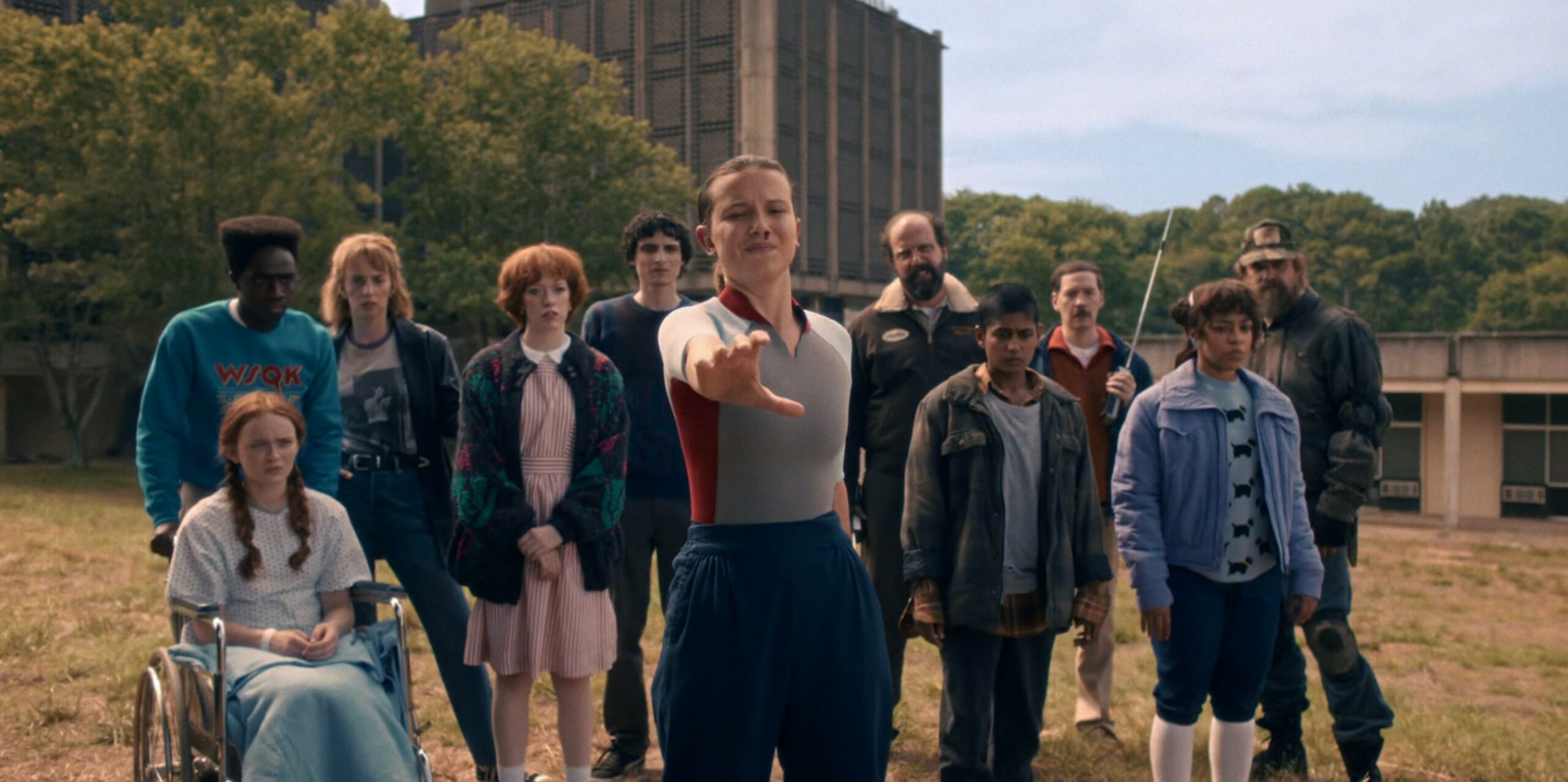
Look, we need to talk about this.
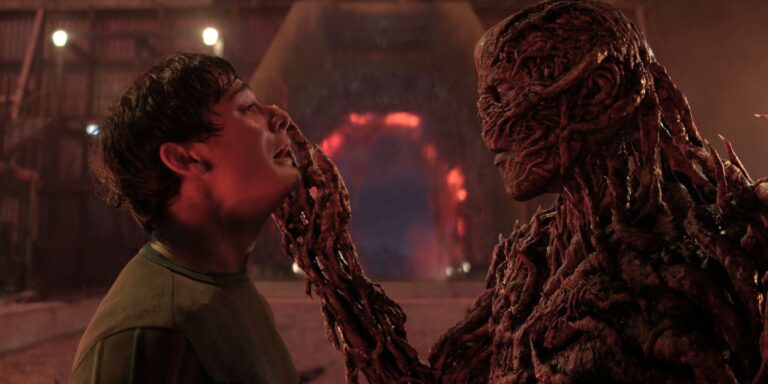
Stranger Things ended on New Year’s Eve 2025. The Upside Down closed. Vecna went down. The kids walked up from the Wheeler basement, Mike shut the door, and nine years of one of the most watched shows on Netflix came to a close.
And then the internet went completely feral.
Within hours, fans were split into two camps that couldn’t have been further apart. One side was emotional and satisfied, crying at the Bowie credits, quoting the D&D scene, saying their goodbyes to Hawkins. The other side was furious. A petition for “unseen footage” collected 300,000 signatures despite every cast member saying flat out there’s nothing hidden. A conspiracy theory called ConformityGate convinced people a secret ninth episode was dropping on January 7th – Netflix servers actually crashed from the traffic.
So which side was right? Was Season 5 genuinely a letdown, or did expectations just spiral so far out of control that nothing could have landed cleanly?
Let’s actually go through it.
When Season 5 Vol. 1 hit in November, critics were mostly on board: 85% on Rotten Tomatoes, with reviewers praising the scale and the emotion. Fan scores were sitting in the mid-70s. Fine. Not Season 4 levels, but fine.
Then Vol. 2 dropped on Christmas Day and everything shifted.
By New Year’s Eve, the audience score had fallen to 56%. The lowest of any season by a significant margin, in a show that had averaged 86% or higher throughout its entire run. The penultimate episode “The Bridge” ended up at 5.5 on IMDb – the worst-rated episode in the show’s history, below even the notoriously disliked “The Lost Sister” from Season 2, which at least managed a 6.0.
The finale itself did better. But “The Bridge” had already done the damage.
The backlash wasn’t one clean thing. It came from several directions at once, which is part of why it was so loud.
The writing got sloppy. The most consistent complaint (and the fairest one) was that the middle stretch of Vol. 2 felt stuffed and clunky. Characters were delivering exposition at each other instead of actually talking. Plotlines were getting resolved in ways that felt rushed. One reviewer described it as a Netflix show written for people watching on their phone at the same time. There’s something to that. “The Bridge” in particular felt like the writers had a list of things that needed to happen before the finale and just… made them happen, regardless of whether they landed emotionally.
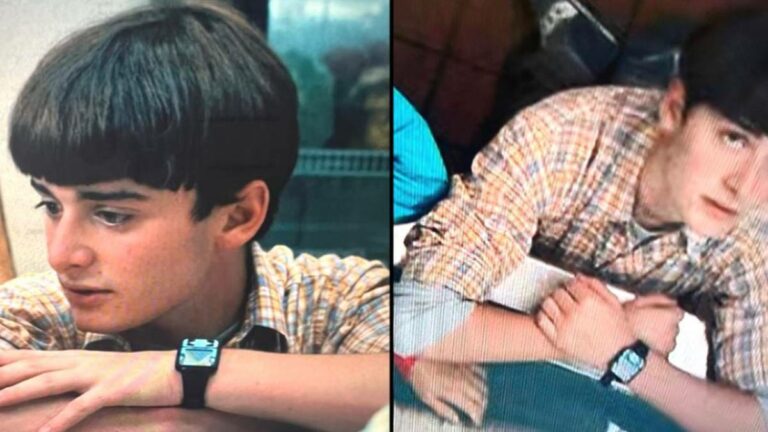
The press tour oversold things. This is specific and documented and honestly a bit painful. In interviews leading up to the season, the Duffer Brothers kept bringing up “why Will was taken” as one of the central questions the finale would answer. They framed it as this deep, meaningful mystery at the heart of the entire show. The answer turned out to be: Vecna picked Will because he was weak and fragile. That’s it. For fans who’d spent years building theories about Will being cosmically significant, that hit like a flat tyre. Matt Duffer later admitted in an interview that he regretted doing so much press, saying “I am not in a good place. Why the hell did we do any of them.” Which is a pretty candid thing to say, and points to a real problem – they created expectations the show wasn’t going to meet.
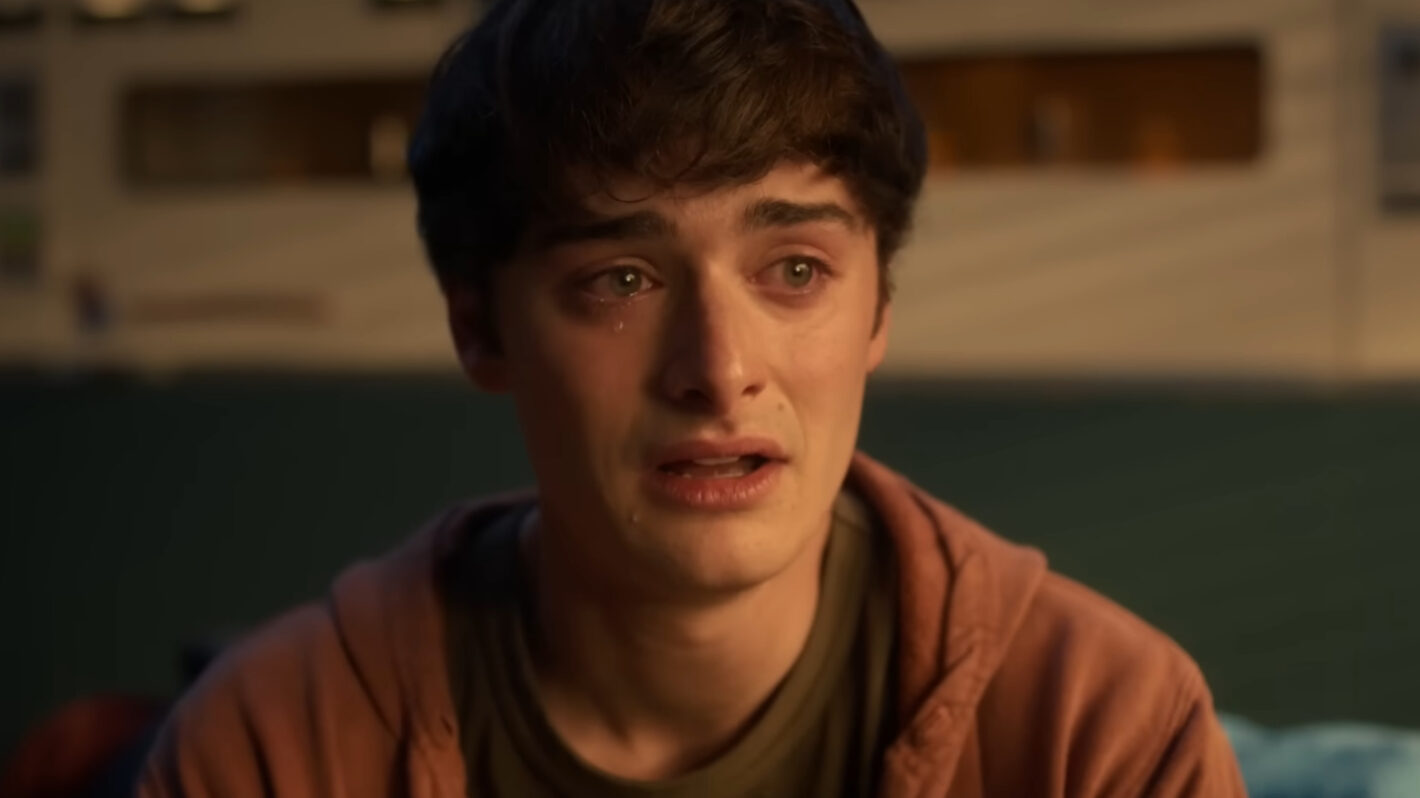
Will’s ending. This is where it gets complicated. Will came out to Mike in one of the most genuinely affecting scenes of the whole season. It was beautifully acted, emotionally honest, and felt like years of character work finally paying off. And then… the show just kind of left it there. Mike’s response was warm but non-committal. By the end, Will’s story had no real resolution. No closure. Just open air.
For a large part of the fandom (particularly those who had followed the Will and Mike dynamic for years) this felt like a betrayal. Comments flooded producer Curtis Gwinn’s Instagram: “So Will’s years worth of love for Mike is just a crush?” Some felt the show had built a queer storyline it wasn’t actually willing to commit to. Others (and this is the messy part) were angry the storyline existed at all. Both groups were review bombing the same episode for completely opposite reasons, which is why the score is hard to read at face value.
Eleven’s ending. She sacrifices herself to collapse the Upside Down and vanishes. The show leaves her fate deliberately open. For some people, that’s a powerful, haunting choice. For others, after nine years with this character, it just felt like the writers couldn’t decide what to do with her.
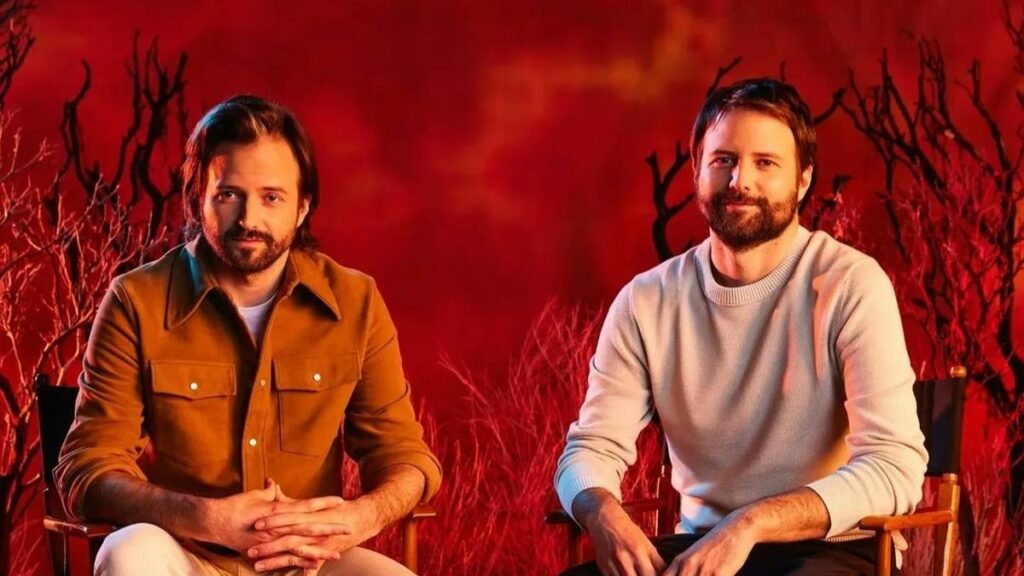
Here’s where it gets more interesting, because the Duffers weren’t surprised by any of this. They were expecting it.
Martina Radwan directed the behind-the-scenes documentary on the final season and was on set throughout the entire production. She told Variety that the ambiguous ending was entirely deliberate: “I think people loved it, but I think they’re surprised. Because it’s an ambivalent ending. Most films nowadays tell you what to think and what to feel. Here, you’re a little bit on your own. And I do think it will change over time.”
The closing image (the kids in the basement, Mike shutting the door) was something the brothers had been sitting on for a long time. “This is about this group of characters saying goodbye to their childhood,” Matt Duffer said. The open questions around Eleven, around Will, around what happens next: none of that was accidental. They wanted the question mark. They chose it.
Whether that was the right call is genuinely debatable. But it wasn’t a mistake or a failure of nerve. It was a decision.
Because here’s what gets buried under all the noise: a huge chunk of the audience walked away from the finale genuinely moved, and the moments that worked really worked.
The New Year’s Eve screening at the Egyptian Theatre in Hollywood was electric. Fans in Hellfire Club shirts and 80s cosplay packed the place. They cheered the Netflix logo. They sang along to “Heroes” in the closing credits, a song Joe Keery himself suggested, which the team said they immediately knew was right. Hopper going back to rescue Kali got strong applause. The final D&D campaign. Joyce and Hopper getting their happy ending. The graduation scene with its callback to Season 2.
For a lot of fans, that was everything. “It was a perfect ending, as sad as it is to see it end,” one person wrote. That reaction was everywhere – it just didn’t trend as loudly as the outrage.
Honestly, it depends on which part you’re talking about.
The criticism of “The Bridge” and the penultimate episodes is fair. There’s a reason the rest of Season 5 is scoring above 8.0 on IMDb while that episode sits at 5.5. The writing genuinely dropped off in that stretch. That’s not internet overreaction. That’s a real flaw.
The frustration with the press tour is also fair, though the blame is slightly misplaced. The Duffers oversold things they couldn’t deliver. That’s a hype management problem. It doesn’t make the show bad.
The Will situation is the most complicated. The queerbaiting accusation carries real weight: the show spent years building emotional stakes around a gay storyline and then stepped back from paying it off. That’s a legitimate criticism. But the review bombing was also partly political, with people who were angry the storyline existed at all inflating the negatives just as much as disappointed fans. Both groups are in that 5.5.
And the 300,000-signature petition, the ConformityGate server crash, the weeks of conspiracy theories: that’s just what happens when a show becomes too important to too many people. None of that is actually about the show anymore. It’s about grief. Nobody wanted it to end, and the ending they got wasn’t the one they’d written in their heads.
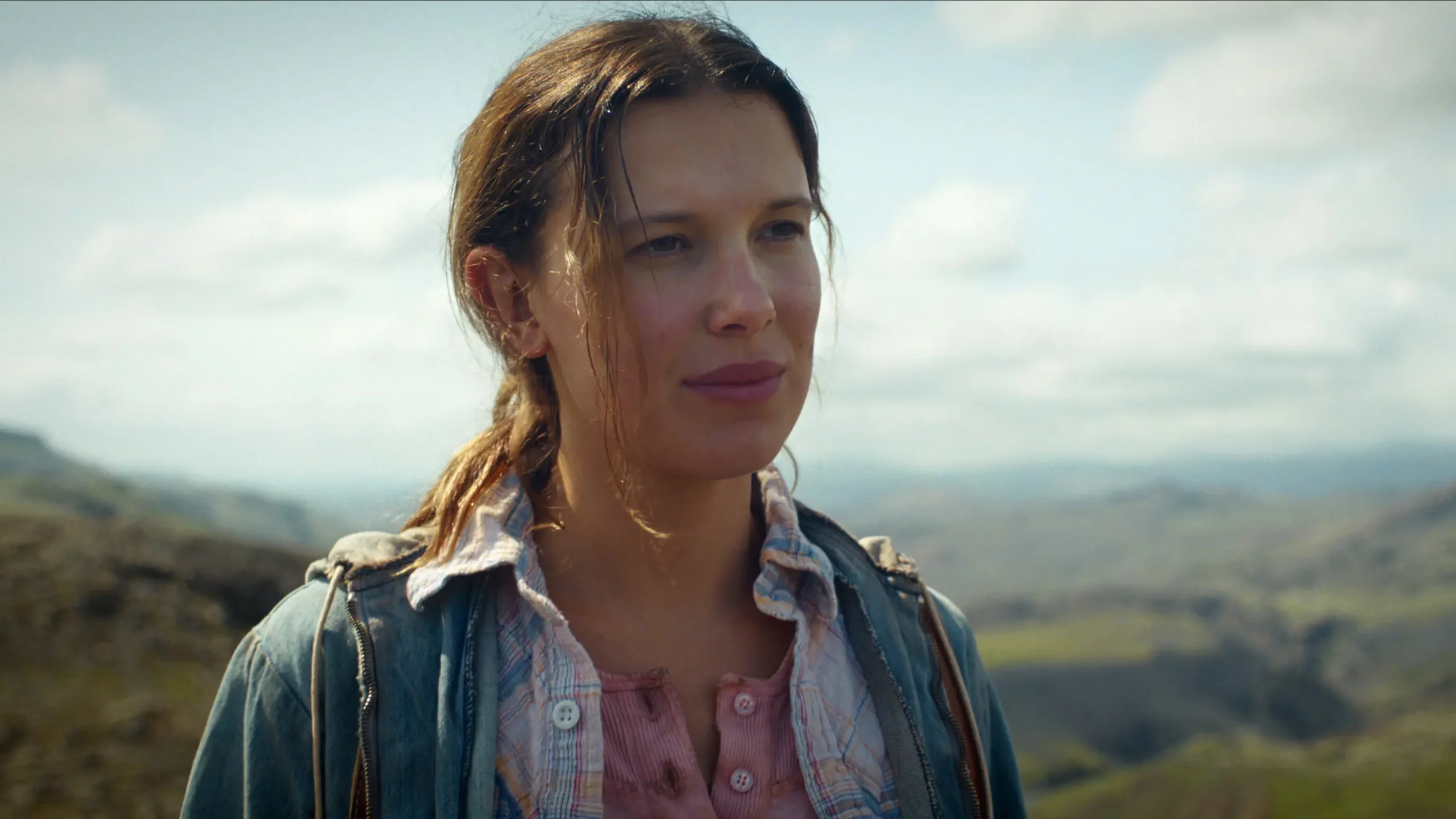
Stranger Things was never going to end in a way that satisfied everyone. That was always going to be true. The show had built one of the most emotionally invested fanbases in modern television, people who’d spent nine years theorising and shipping characters and building whole inner lives around this story. Any ending that wasn’t precisely tailored to each individual fan’s expectations was going to disappoint somebody.
What the finale actually delivered was an ambitious, emotionally generous, deliberately open ending. It had real flaws in the episodes leading up to it. But the core of it (the kids in the basement, the door closing on their childhood) was something the Duffers had been working toward for a very long time. It meant something.
“I think it’s the reaction the Duffers wanted: the question mark,” Radwan said.
A question mark isn’t a failure. Sometimes it’s just an ending that needs time to settle.
So Did They Ruin It?
No. But they didn’t stick the landing cleanly either.
What they made was a finale that was divisive in exactly the way ambitious endings tend to be: some of the criticism is fair, some of it is impossible expectations, and some of it is just the specific pain of watching something you love end. Season 5 had genuine flaws. “The Bridge” was a real low point. The press tour created problems the show couldn’t solve. Will deserved more.
But the show that started in 2016 with a missing kid and a girl with a shaved head ended nine years later with the same group of friends, in the same basement, closing the same door. That’s not nothing. That’s actually kind of beautiful, depending on how you look at it.
The Upside Down is closed. Hawkins is saved. Whether that was enough, well, that’s between you and the door.
What did you actually think of the Stranger Things finale? Drop it in the comments below.